
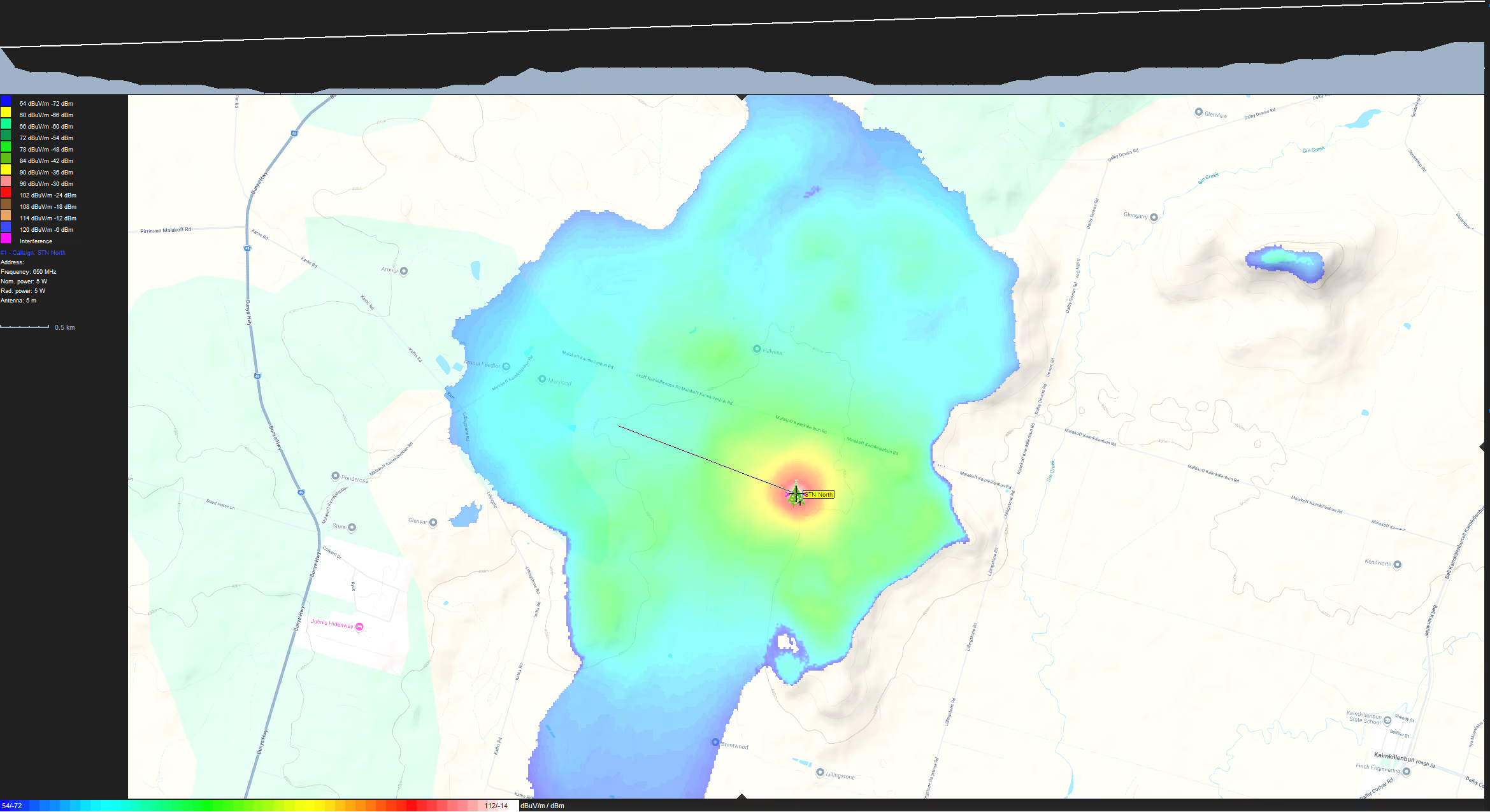
ATDI HTZ desktopscreen capture

Radiocommunications Licensing in Australia ?  

Erkmar is your AP


Navigating radio frequency assignments and interference assessments requires precision and regulatory insight. At Erkmar Australia, our team features former regulators and in-house Accredited Persons (AP) who understand your technical needs and compliance requirements inside out.

Get Started

Our Specialised ACMA Licensing Services

We deliver tailored licensing solutions for a comprehensive range of ACMA apparatus-licensed systems across Australia, including:

  • Area wide licences (AWL) in the 3.4 - 4GHz, 26GHz and 28GHz bands.
  • Private Telecommunications Services (PTS) in the 1.8GHz and 2.1GHz bands
  • Land Mobile Radio (LMR)
  • Fixed point-to-point links
  • Fixed point-to-multipoint and wireless broadband systems
  • HF radio services
  • UHF CB repeaters

Major Event & Temporary Spectrum Coordination

When short-term access or high-profile coordination is required, our frequency coordination expertise ensures seamless operations for:

  • TV Outside Broadcast systems
  • Apparatus licensed wireless audio devices
  • TV White Space (TVWS) licensing advisory for international and local markets

‍

Pricing 

‍

Pricing is dependent upon licence type and complexity, and there are two elements to the pricing:

Erkmar coordination and assignment fee - our professional fee covers frequency searching, interference checks and lodging the application
ACMA statutory fees - these comprise a fixed administrative fee and an annual licence tax.

As examples of our prices in AU$ (exc GST):

A straight forward single channel, single site land mobile radio service - $440.00
A more complex AWL or PTS service - typically in the region of $800.00 - $1,500.00

ACMA fees vary and depend on a number of factors. Fees are calculated based on a combination of:

Licence type and frequency band - 2. Geographic location - 3. The size of channel required (bandwidth) - 3. Transmit power level/coverage area - 4. Licence duration

Location significantly affects the ACMA licence tax cost. For example, an equivalent licensed service will cost much more in a city area (where spectrum use is congested) compared to a remote area. Higher tax costs in high demand areas encourage more efficient use of spectrum. For some licence types the tax cost is calculated based on population density in a defined area around the licensed site.

You can estimate ACMA fees here. Note that the calculator includes an issue charge. This would be the charge if the ACMA made the frequency assignment, but can be discounted as this is work that Erkmar perform.

‍

‍

Why Choose Erkmar Australia?

Our leadership and engineering teams bring decades of direct ACMA regulatory experience and deep operational spectrum expertise. Whether you need temporary access in congested urban areas for a special event, or long-term coverage across vast rural land for major agricultural and mining operations, we ensure your licensing is accurate, timely, and compliant.

‍

Ready to Streamline Your Radiocommunications Licensing?

Get in touch with our accredited experts today to begin your application or discuss custom licensing requirements across global jurisdictions.

‍

Email us at licensing@erkmar.com or submit an inquiry through our web form to start the conversation.

‍

‍

‍

Licensing Knowledge Base

Frequently Asked Questions: Australian Radiocommunications Licensing

If you need a dedicated two-way radio network, a private 4G or 5G system, digital telemetry or wireless links between sites, Australian law requires your equipment to be properly licensed. Here is a straightforward guide to how the licensing process works and how Erkmar takes the complexity off your desk.

Do I need a licence for my wireless communications equipment?

While everyday devices like Wi-Fi routers, UHF CB radios and low power convenience devices can operate under open "class licences" (no individual licence is required, no fee is payable), commercial systems such as private two-way land mobile radio (LMR), private 4G/5G networks, telemetry / SCADA links and point to point (PTP) / point to multipoint (PTMP) systems all require an ACMA apparatus licence issued to an organisation or individual.

Operating without an appropriate licence is unlawful, risks interfering with other services and can result in regulatory action by the ACMA. If you are unsure of the licensing requirements for your application, contact us for advice.

What is an ACMA Accredited Person (AP)?

The ACMA in Australia sets the radio rules, but it relies on industry specialists called Accredited Persons (APs) to do the day-to-day engineering coordination.

An AP applies the ACMA’s policies and frameworks, completes coordination and engineering checks, identifies a clear channel where you will not cause or receive interference, and manages the licence application with the ACMA.

How does the licensing process work from start to finish?

We manage the entire process through four simple steps:

  1. Brief: You let us know what you want to achieve, where your sites are located, and the type of equipment you plan to use.
  2. Frequency search and engineering check: We use our experience of ACMA licensing policies to find available channels in suitable bands to meet your need and run the necessary checks to ensure no interference with existing users.
  3. Certification and lodgement: We generate a frequency assignment certificate and lodge the complete application into the ACMA portal on your behalf.
  4. Licence grant: The ACMA grants the official apparatus licence.
What information do I need to provide?

You do not need to be a radio expert to get started. All we need are a few basic details:

  • Licensee name / business details: e.g., an individual’s name or company legal name, ABN/ACN, and primary contact info.
  • Site locations: The addresses or locations of the proposed system(s), transmitters, base stations, or towers.
  • Equipment specifications: Operating details of the equipment you will be using, technical parameters such as power levels, antenna heights, and modes of operation.

If you are unsure about the hardware or exact technical parameters, we can work through them with you or with your equipment supplier / installer.

I don’t have an ACMA Client ID or Site ID — can you still help?

Yes. If your organisation has never held a radio licence before, you will not have an ACMA “account”. We can register you as a business or individual with the ACMA and set up permanent site IDs for your towers, masts, etc. where required as part of the initial service.

How long does it take to get a licence?

For routine systems the process is typically very fast:

  • We usually complete the frequency search and lodge the request into the ACMA system within 1 to 2 business days.
  • Once lodged, the ACMA usually issues the formal licence within 1 business day (although ACMA timelines are out of our control).

Contact us if you have an urgent licensing requirement; we can usually provide a prioritised service.

What if I have a complex or unusual licensing requirement?

We are experienced in specialised licensing services, such as short duration large sporting events and unusual scientific licence types (such as testing of emerging technologies). Additional time is usually required for specialised engineering and ACMA liaison. Please contact us for advice and to understand how we support management of complex requirements.

How much does licensing cost?

Costs consist of two parts:

  • Erkmar coordination and assignment fee: Our professional fee covers frequency searching, interference checks, and lodging the certificate.
  • ACMA statutory fees: These include a fixed administrative fee and an annual licence tax. The annual tax depends on your frequency band, bandwidth, and location (e.g., rural and remote locations pay significantly lower taxes than dense metropolitan areas).

Submitting a request to us is free, and we provide a clear fixed-price quote once the requirement is understood.

Will the ACMA approve and grant the licence?

We provide advice to prospective licensees and lodge applications using our detailed knowledge of the ACMA’s rules and frameworks, but the final granting of the licence is for the ACMA and we can’t guarantee any outcome.

Why choose Erkmar?
  • Former Regulators: Our senior team members are former communications regulators who know how government spectrum rules and policy decisions work behind the scenes.
  • Purely Objective: Our recommendations ensure you get the most cost-effective solution tailored to your operational needs.
  • Specialist Software: We use ATDI HTZ Communications planning and coordination software—the same software relied upon by regulators internationally and large mining companies.
  • End-to-End Governance: We can serve as your nominated ACMA contact, monitoring annual renewal schedules and providing ongoing spectrum management advice.
Can you help with international radio spectrum licensing needs?

Yes. Erkmar partners with a New Zealand Approved Radio Certifier to help you with licensing requirements in New Zealand.

Operating beyond Australia and New Zealand? Through Erkmar UK and our international network, we bring global communications and regulatory experience directly to your projects. By pairing our hands-on Australian licensing accreditation with global regulatory consulting reach, we remove the complexity from foreign spectrum rules, whether you are a regulator building and running a licensing system or private industry seeking licensing services or enablement of a licensing framework.

Ready to get your system licensed?

Contact our accredited assignment team directly for advice and quotes.

Email licensing@erkmar.com